

Kim and I have ridden a lot of trains in Italy, and honestly, it is the best way to get around the country. Driving and buses can be stressful. Trains are relaxing and efficient, and once you know a few basics, you will feel right at home on them. Here is what I wish every first timer knew before stepping on board.
Are Trains in Italy Safe?
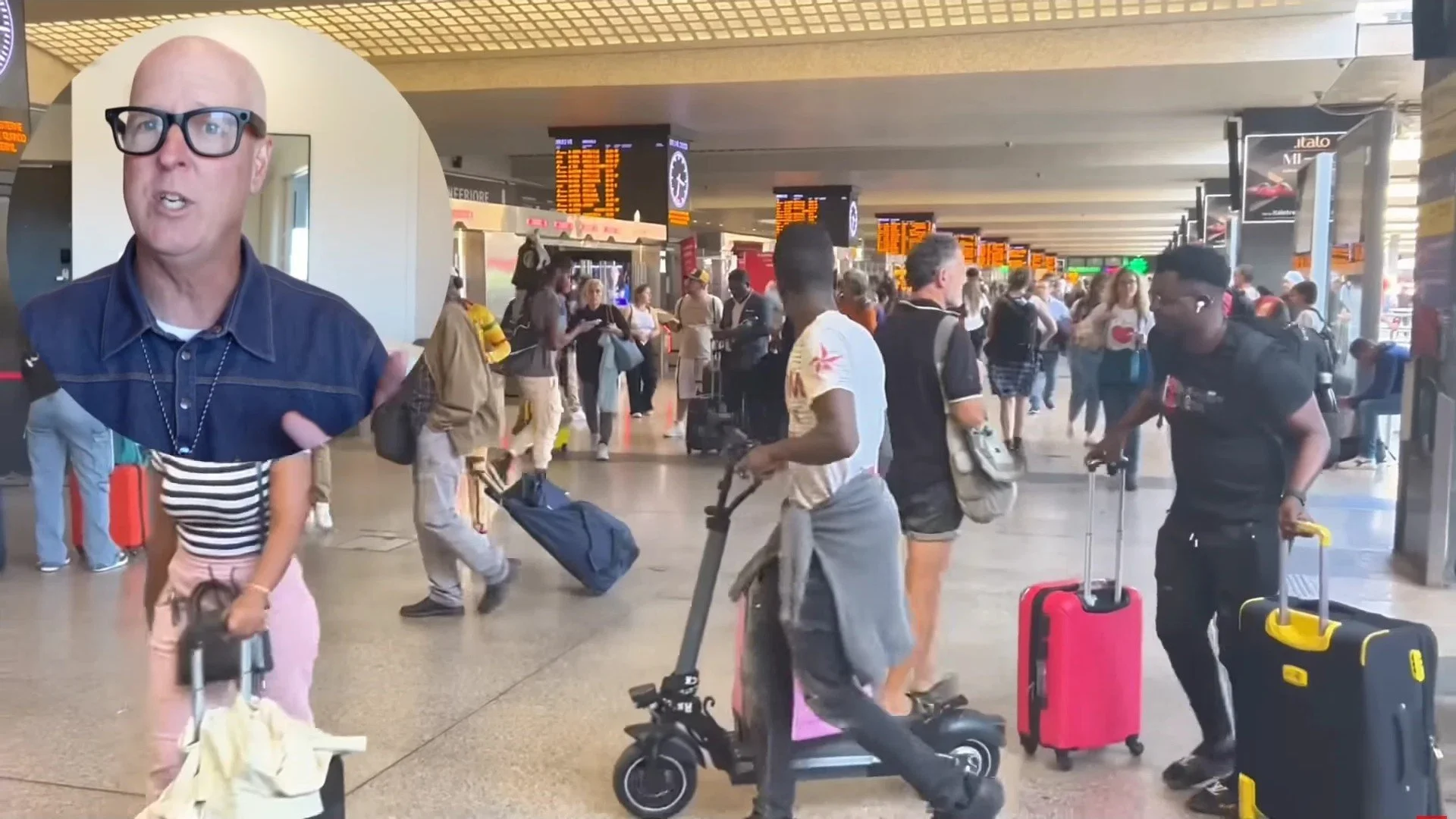
Overall, yes. The thing to watch is the big stations, like Roma Termini. That is where pickpockets and people looking for a distracted traveler hang out. So arrive knowing what you are doing.
My best advice is to buy your tickets on the Trenitalia app before you get to the station. Then you are not wandering around looking for a kiosk or the ticket office, looking lost. Once you have your ticket, head through the ticket check into the platform area. There are still people around, just far fewer of them, and you can watch the departure boards from there.
On the train itself, keep an eye on your bags, especially when the train stops and people are getting off. Bag theft is not common, but if it happens to you it will ruin your vacation. For more on staying sharp, see my post on the biggest scams in Rome.
Trenitalia or Italo?
There are two train companies in Italy. Trenitalia is the big national network. It runs high speed trains plus regional trains that reach just about every city and town. Italo started in 2012 and runs only high speed trains between the larger cities.
Italo does not go anywhere Trenitalia does not, but it is often a little cheaper. The trains are just as fast and comfortable. One difference I like: many Trenitalia high speed trains have a café car where you can stretch your legs and grab a snack, while Italo has vending machines. If it is your first trip to Italy, I would keep it simple and stick with the Trenitalia app. One app, everything in one place.
The Types of Trenitalia Trains
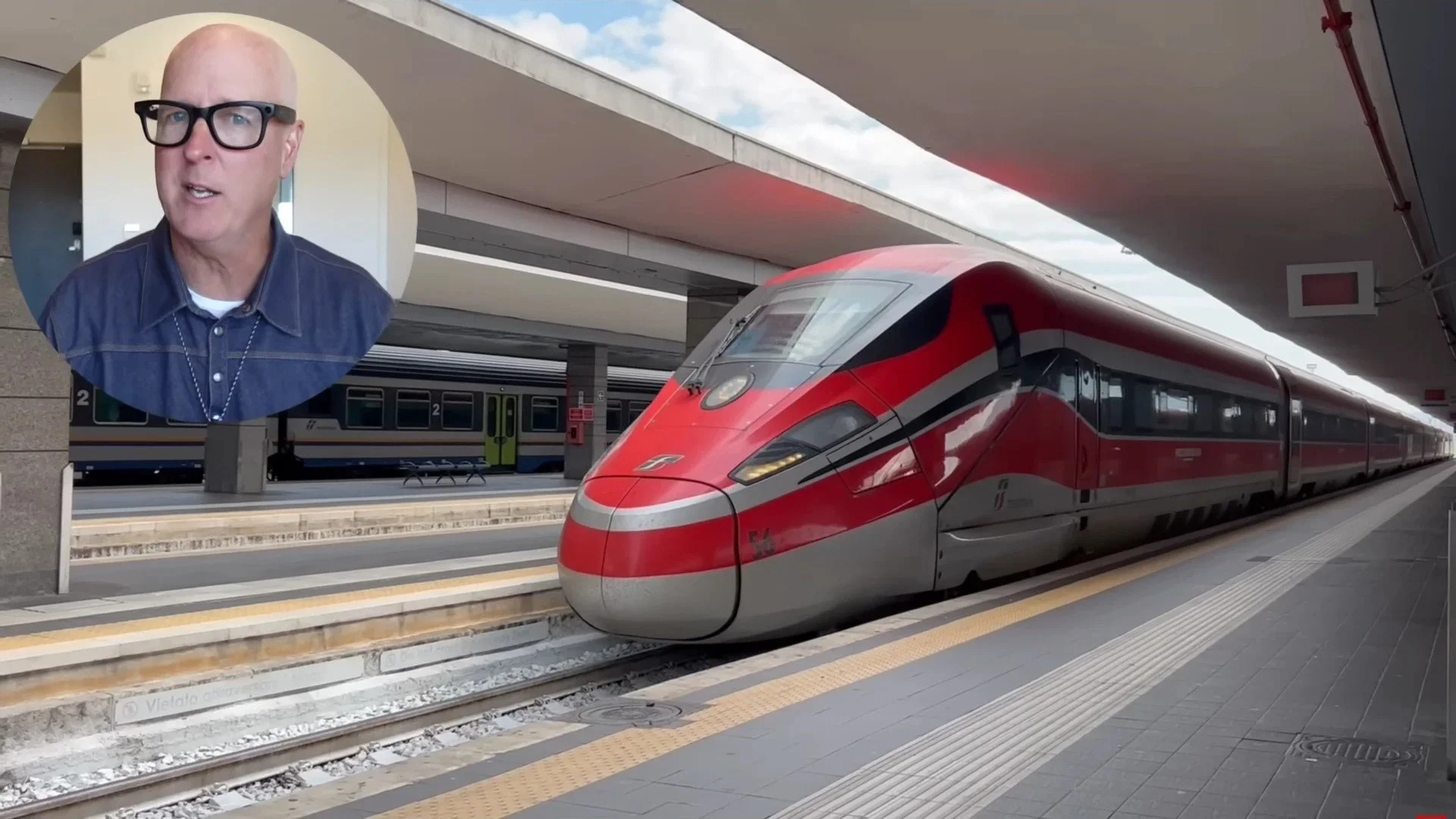
Frecciarossa. The fastest train, around 300 km per hour (about 185 mph). It links the big cities like Rome, Florence, Venice, Milan and Naples.
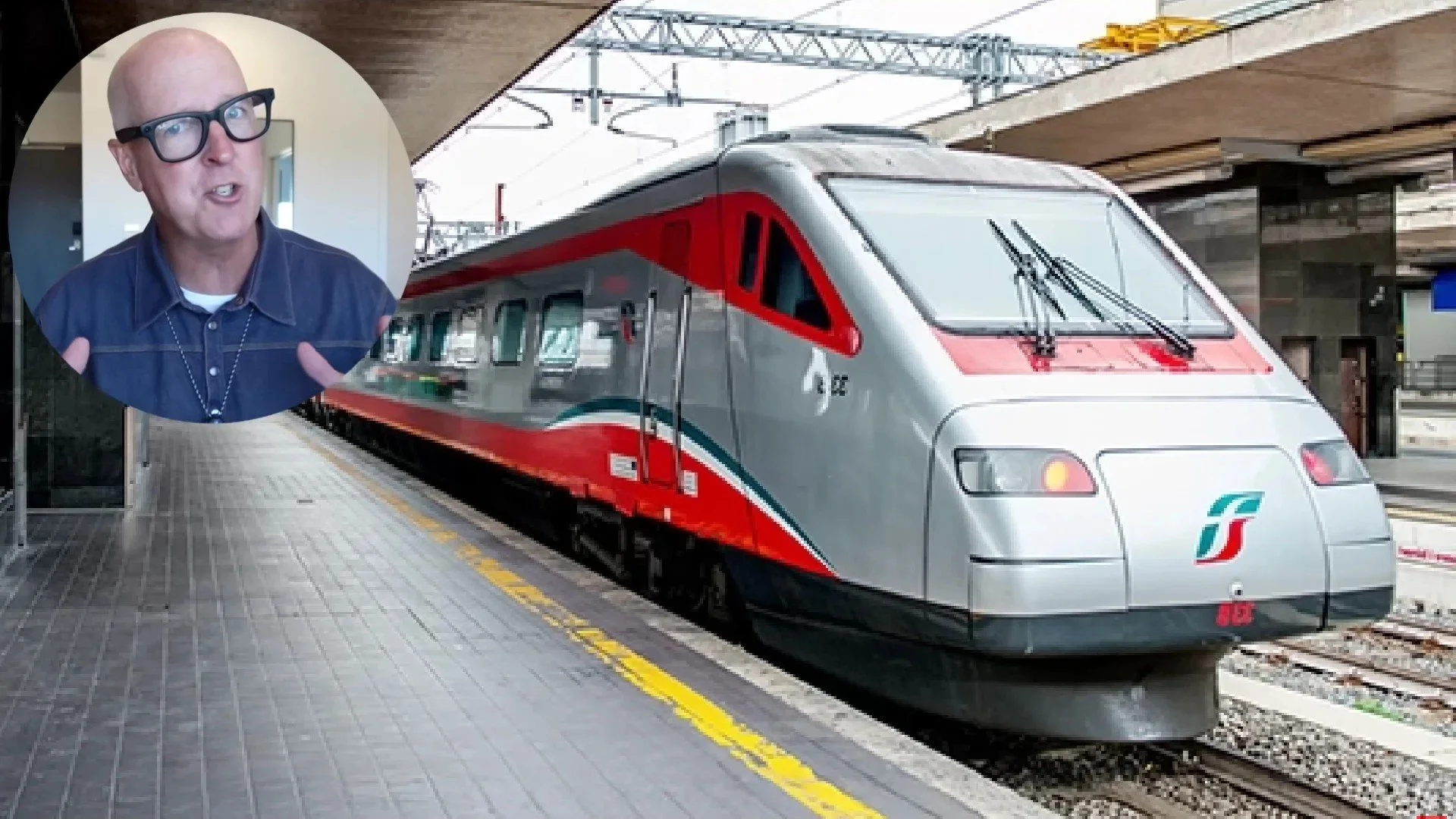
Frecciargento and Frecciabianca. Also fast, around 250 and 200 km per hour. These are being phased out, and many routes have already switched to Frecciarossa, so you may not see them much.
Intercity. Slower and stops more often. Rome to Venice takes about 3 hours 58 minutes on the Frecciarossa and around 8 hours 30 minutes on the Intercity.
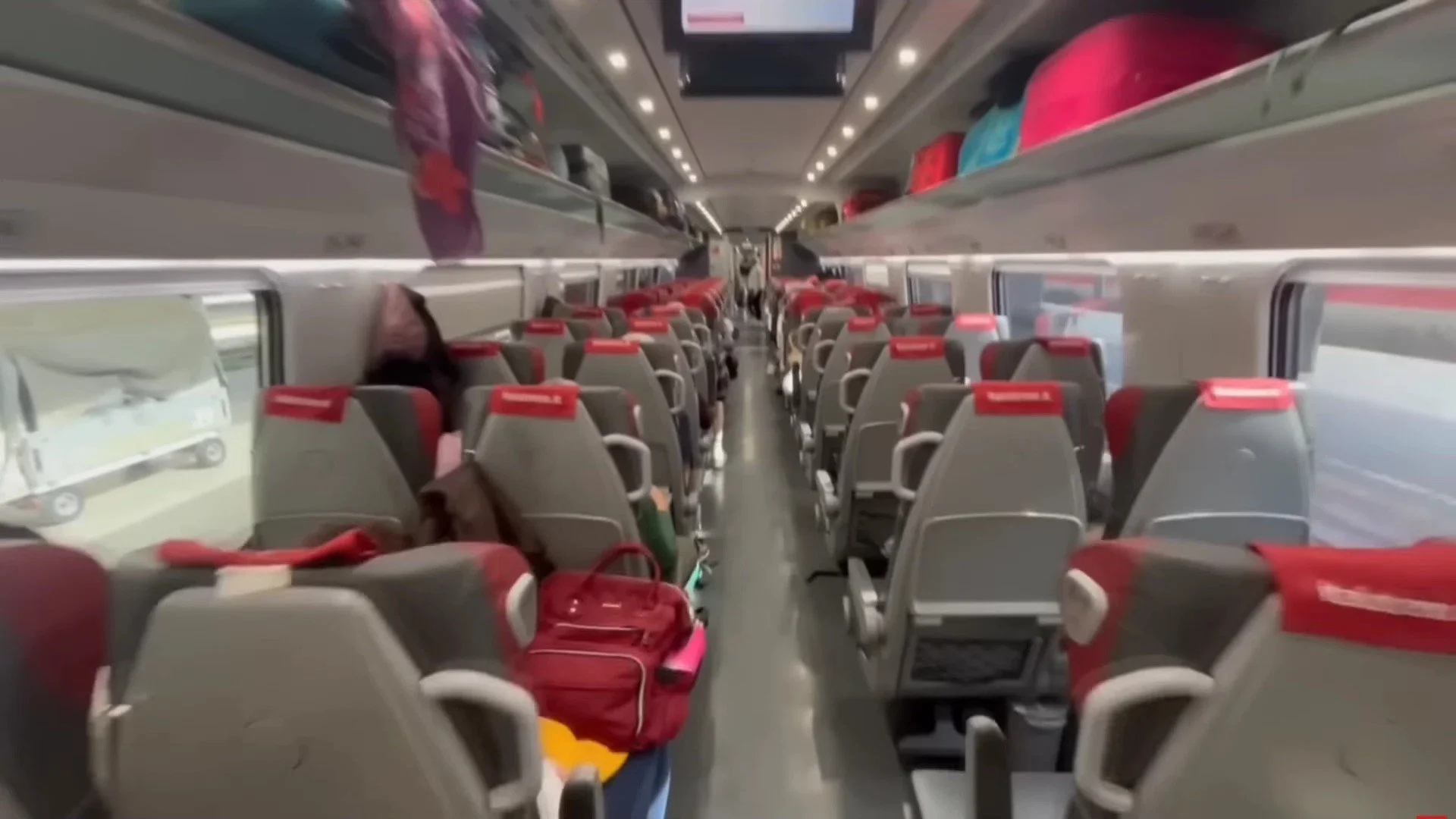
All of these long distance trains have assigned seats, WiFi and comfortable seating, usually with a choice of classes like Standard, Business and Executive.
Regional trains. These connect the small towns and the cities in between. They are slower, have no assigned seats and usually no WiFi. It is first come, first served, so in busy season get to the platform early. Regional trains are not all equal either. Some stop in every little town and others are more direct, so check the total travel time in the app before you pick one.
Do You Still Validate Train Tickets?
Only for regional trains, and only for paper tickets. If you buy a paper regional ticket, stamp it in the small validation machine near the platforms before you board. High speed and Intercity tickets have an assigned seat and never need validating. If you buy your regional ticket in the app, you do not need to find a machine at all, one more reason to use the app.
A nice thing about regional tickets bought in the app: if you miss your train, Trenitalia lets you take another train on the same route within four hours of the time you booked. You cannot jump on an earlier train, though, only a later one. If you know you will be cutting it close, book the earlier time. If you make it, great. If not, hop on the next one. You can also change a regional ticket in the app ahead of time.
Do Trains in Italy Run on Time?
Mostly. It is not unusual for a train to run 5, 10 or 15 minutes late, and the departure board will show the delay. Every now and then a strike or another problem can delay trains by hours. It does not happen often, but it happens enough that it is worth having a little cushion in your day.
How Early Should You Get to the Station?
If it is your first time at that station, give yourself at least 30 minutes. Walk straight to the departure boards with your ticket already on your phone.
Here is a tip that confuses a lot of people. The board shows the train's final stop, not yours. If you are going from Rome to Naples, the train may say Salerno. Look for your departure time and train number instead. There will only be two or three trains leaving around that time.
The track number usually appears just 5 to 15 minutes before departure. When it does, walk over fairly quickly, especially if you have luggage. Luggage space fills up in busy season.
Your ticket also shows your carriage number. Screens along the platform show where each carriage will stop, so stand under your number and you will be right at your door when the train pulls in.
How to Save 50% or More on High Speed Trains
This is my favorite part. High speed trains come with a limited number of discounted fares, and they all require buying ahead. There are no discounts for the next day. The further out you book, often two to three weeks or more, the better your chance at the cheapest seats.
When I checked Rome to Naples in the app for the next day, the Frecciarossa trains were around 50 euros, and a regional train was about 13 euros but took over 3 hours. Looking about three weeks out, the same Frecciarossa was 22.90 euros for a trip of about 1 hour 8 minutes, and an Intercity was 14.90 euros. Prices change all the time, so treat those as an example of how it works, not a quote.
The catch is that the cheapest fares are mostly use it or lose it. Read the conditions before you buy. Trenitalia offers an add on called tiRimborso. It costs 1 euro on Economy fares or 3 euros on Super Economy, and it lets you ask for a refund up until midnight two days before departure, minus 10%.
My rule of thumb: if your hotels are booked and you know you will be in Naples on a certain day, book that train early. If it is a maybe day trip, wait and stay flexible. Signing up for a Trenitalia account can also bring promo codes by email.
Are Rail Passes Worth It?
There are two passes worth knowing about.
The Trenitalia Pass. It is for visitors who live outside Italy and gives you a set number of trips in a set number of days, for example 3 trips in 7 days or 10 trips in 30 days. It covers Frecciarossa and Intercity trains, and the seat reservation is included. On Trenitalia's site it starts at 139 euros. A round trip day trip counts as two trips.
The Eurail or Interrail Italy Pass. This gives you a set number of travel days in a month. High speed trains need a paid seat reservation on top, currently 10 euros per Frecciarossa ride in second class.
If you book weeks ahead, single tickets are usually cheaper. What a pass buys you is flexibility. Waking up and deciding to head to Naples or Florence for the day without planning weeks ahead is a nice feeling. Of the two, I personally like the Trenitalia Pass best. Prices change, so check the official sites before you buy.
If you are heading to Rome soon, my 27 Rome tips, advice and warnings for 2027 pairs well with this post, and so does my list of mistakes to avoid when visiting Rome.
FAQ
Should I use Trenitalia or Italo? Both are good. Italo is often a little cheaper on high speed routes, but Trenitalia covers far more places, including regional towns. For a first trip, one app (Trenitalia) keeps things simple.
Do I need to validate my train ticket in Italy? Only paper tickets for regional trains. Stamp them in the machine before boarding. App tickets and high speed or Intercity tickets do not need validating.
What if I miss my regional train? With a regional ticket bought in the app, you can take a later train on the same route within four hours of your booked time. You cannot take an earlier train.
How far ahead should I book high speed trains? For the best prices, two to three weeks or more. There are no discounts for next day travel.
Is a rail pass worth it in Italy? Usually not if you can book ahead, but a pass is great if you want the freedom to decide your day trips at the last minute.
Make the Most of Italy on Your Own Terms
The Rome Travel Guida does not plan your trip for you. It helps you plan your own trip and make the most of Rome while you are there. It includes a video guide, interactive maps with our favorite hotels, gelato, panini and more, and a helpful PDF. You can preview the video lessons here.
Join our Facebook group, Today in Rome, follow along on Instagram, and subscribe to RozierRoma on YouTube for new videos.
Use code ROMA and save $10.
14 day money back guarantee.